What you will find
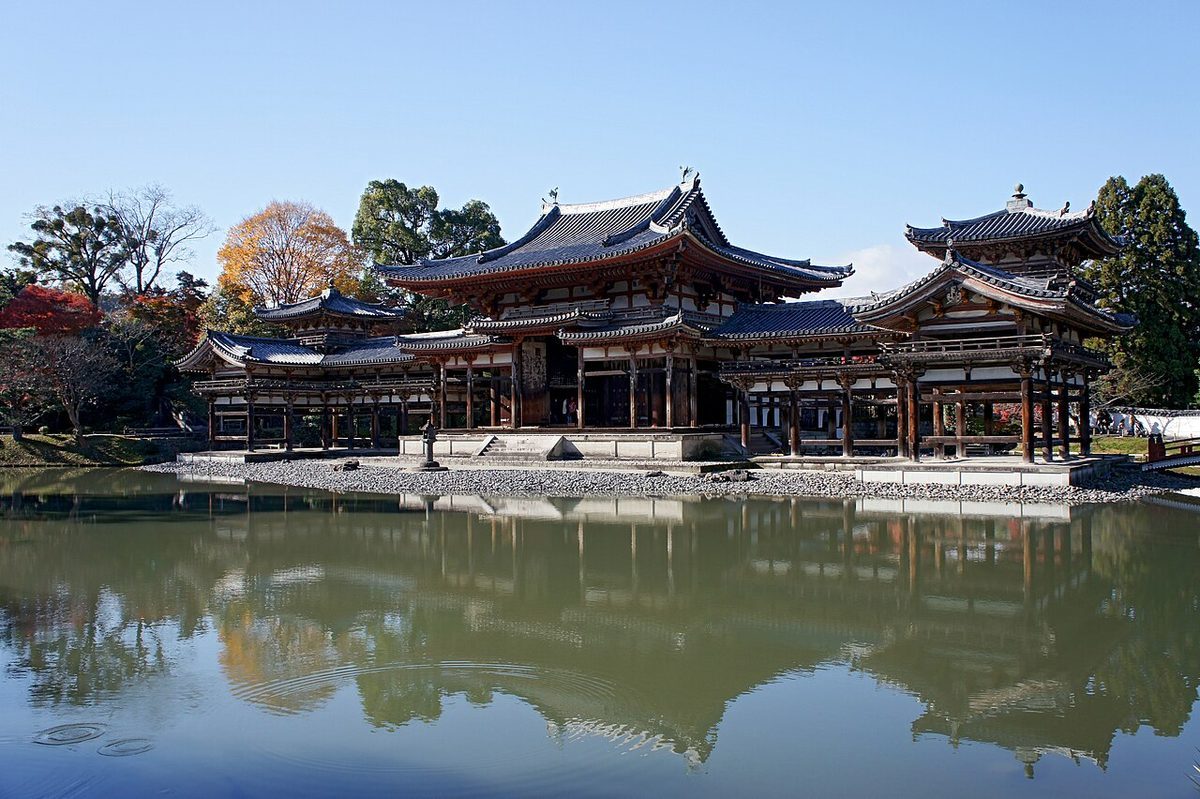
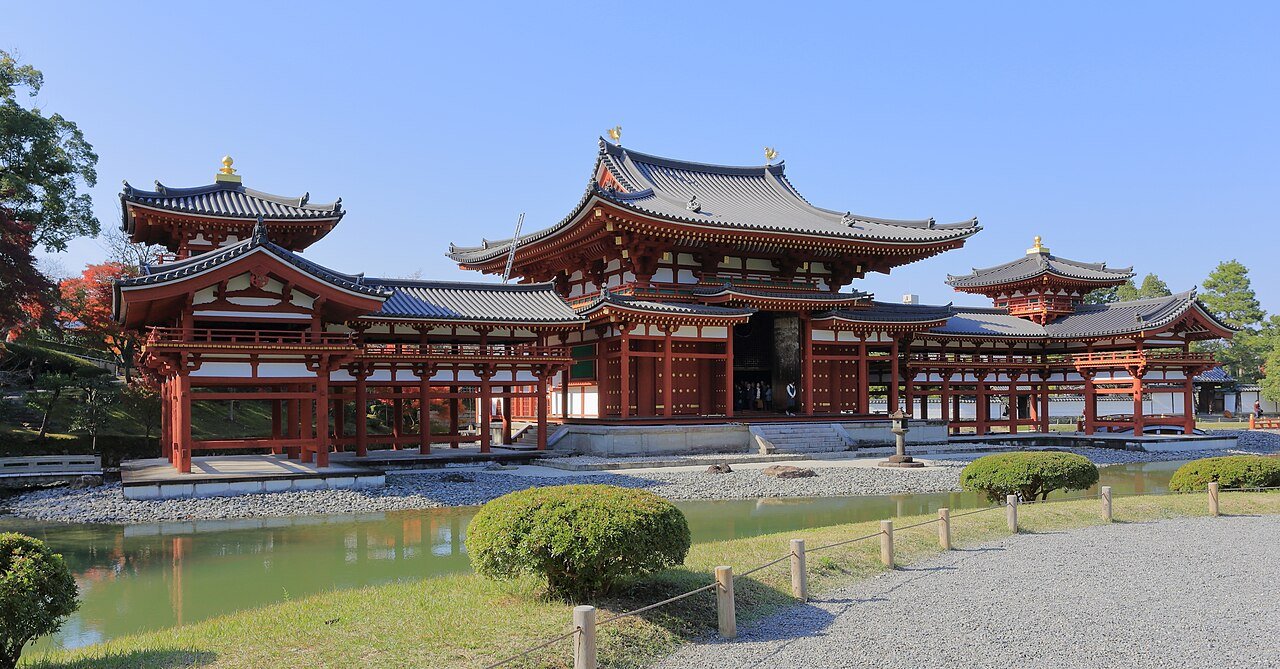
Uji is Sound! Euphonium's home town (this guide's Uji Bridge page covers the river and Daikichiyama), and Byodoin is its crown: the 1,000-year-old Phoenix Hall that floats on its pond on the back of every 10-yen coin. The Kitauji band's world is this tea town entire — the Omotesando street of matcha shops the girls walk, the temple gardens of their days off, the river light that Kyoto Animation paints like nowhere else.
Walk the Omotesando from the Keihan station slowly — matcha ice cream is practically a duty — then enter Byodoin and stand where the coin's view is taken: Phoenix Hall reflected in the Ajiike pond, wings spread. The museum inside holds the temple's original phoenixes, clouds and bells, some of the finest Heian art anywhere.
Visiting notes: the Phoenix Hall interior is by timed ticket bought on site and sells out on autumn weekends; the gardens and museum alone justify the trip. Pair with the Uji Bridge page for the full Euphonium town in one unhurried day.
Facts
| Location | Uji, Kyoto (Kansai) |
|---|---|
| Series | Sound! Euphonium |
| Nearest station | Uji Station (Keihan) / Uji Station (JR) |
| Getting there | Keihan Uji Station is closest to Byodoin Omotesando street; JR Uji Station is a few minutes further. |
| On foot / last leg | Byodoin about 10 minutes on foot from Keihan Uji Station via Omotesando |
| Opening hours | Gardens 8:30–17:30; museum 9:00–17:00; hall interior by timed ticket |
| Admission | Adults ¥700 (gardens and museum); Phoenix Hall interior +¥300 |
| Official site | Byodoin (official) |
Practical details checked on 9 November 2026 against official or official-tourism sources where shown. Hours and fees can change — the official site, where linked, is the final word.
On a model course
This place is a stop on the course above, which orders it with its neighbours and quotes the checked access details from this page.
About this place
Byōdō-in (平等院, "Temple of Equality") is a Buddhist temple in the city of Uji in Kyoto Prefecture, Japan, built in the late Heian period. It is jointly a temple of the Jōdo-shū (Pure Land) and Tendai-shū (Heavenly Level) sects.
== History ==
Background text: Wikipedia contributors, Wikipedia, CC BY-SA 4.0.