What you will find
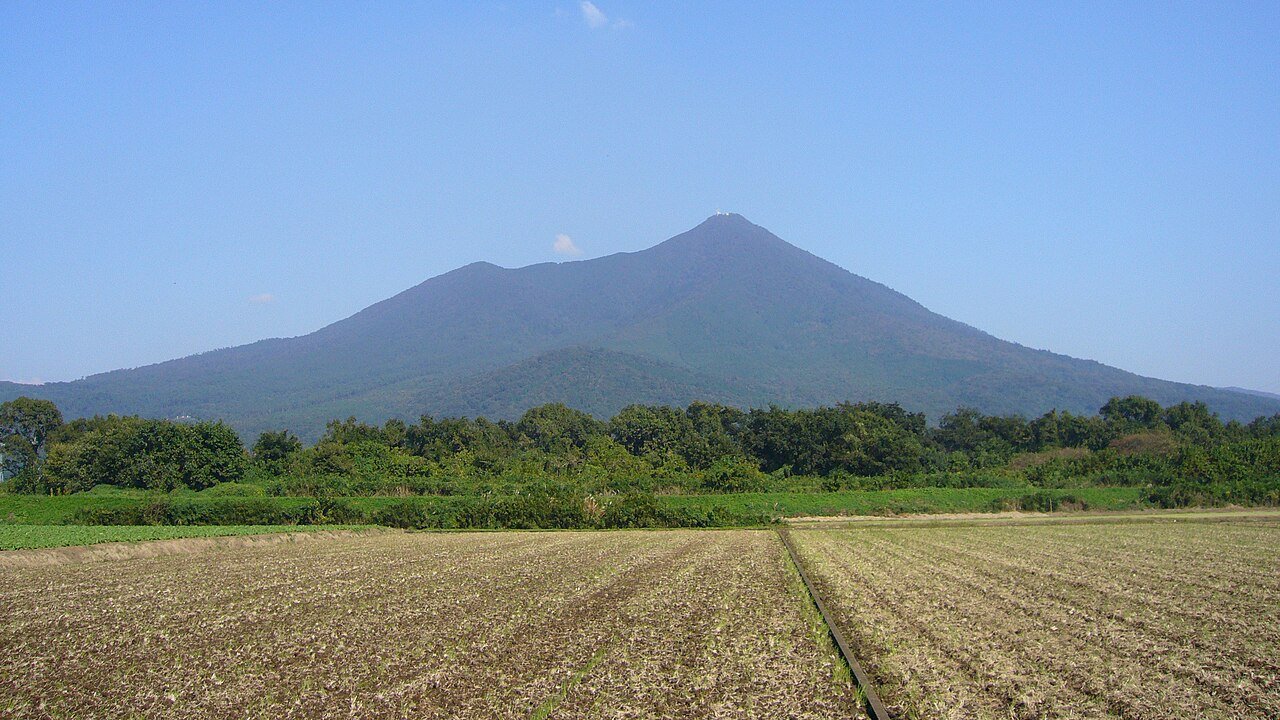
Mount Tsukuba is one of the first 'real' mountains Aoi and Hinata set their sights on in Encouragement of Climb — the twin-peaked 'purple mountain' of the Kanto plain, famous since the Manyoshu poems. For a series about two school friends learning mountains step by step, Tsukuba is the perfect early goal: a proper rocky summit with shrines, strangely shaped boulders and a huge view, reachable by cable car if legs give out.
Ride the shuttle from Tsukuba Station, climb the Miyukigahara course past the great rocks — the frog-shaped Gama-ishi is the photo everyone takes — and stand between the twin peaks of Nyotai and Nantai with the Kanto plain below. On the clearest days the view runs to Mount Fuji and the Pacific at once.
Visiting notes: the hiking courses are real mountain paths (about 2 hours up); the cable car and ropeway make a gentle version of the same pilgrimage. Weekends queue at both. Tsukuba Shrine at the foot is the traditional start — allow a moment there before the climb.
Facts
| Location | Tsukuba, Ibaraki (Kanto) |
|---|---|
| Series | Encouragement of Climb |
| Nearest station | Tsukuba Station, then bus |
| Getting there | Tsukuba Station (Tsukuba Express), then a direct shuttle bus (about 40 minutes) to the cable car / ropeway stations. |
| On foot / last leg | Cable car station a few minutes from the Tsukuba-san-guchi bus stop |
| Opening hours | Open mountain; cable car / ropeway roughly 9:00–17:00 (seasonal) |
| Admission | Free — mountain paths; cable car / ropeway extra |
Practical details checked on 9 November 2026 against official or official-tourism sources where shown. Hours and fees can change — the official site, where linked, is the final word.
About this place
Mount Tsukuba (筑波山, Tsukuba-san) is an 877 m (2,877 ft) mountain located at the northern-end of Tsukuba, Japan. It is one of the most famous mountains in Japan, particularly well known for its double peaks, Nyotai-san (女体山; lit. "female body") 877 m (2,877 ft) and Nantai-san (男体山; lit. "male body") 871 m (2,858 ft). Many people climb the so-called "purple mountain" every year for the panoramic view of the Kantō plain from the summit. On clear days the Tōkyō skyline, Lake Kasumigaura, and even Mount Fuji are visible from the summit. Japanese mountains are mostly volcanic, but Mount Tsukuba is non-volcanic granite and gabbro in origin. Renowned beautiful granites are produced in the northern quarries even today.
Background text: Wikipedia contributors, Wikipedia, CC BY-SA 4.0.