What you will find
Sendai is where Jujutsu Kaisen begins in everything but name: Yuji Itadori is a Sendai schoolboy, living with his grandfather in Miyagi's capital, when he swallows a cursed finger and his ordinary life ends. The manga opens in this city of tree-lined boulevards — 'the City of Trees' — and the Sendai details, from the school athletic fields to the local souvenir kikufuku mochi Yuji buys for Gojo, are affectionate and specific.
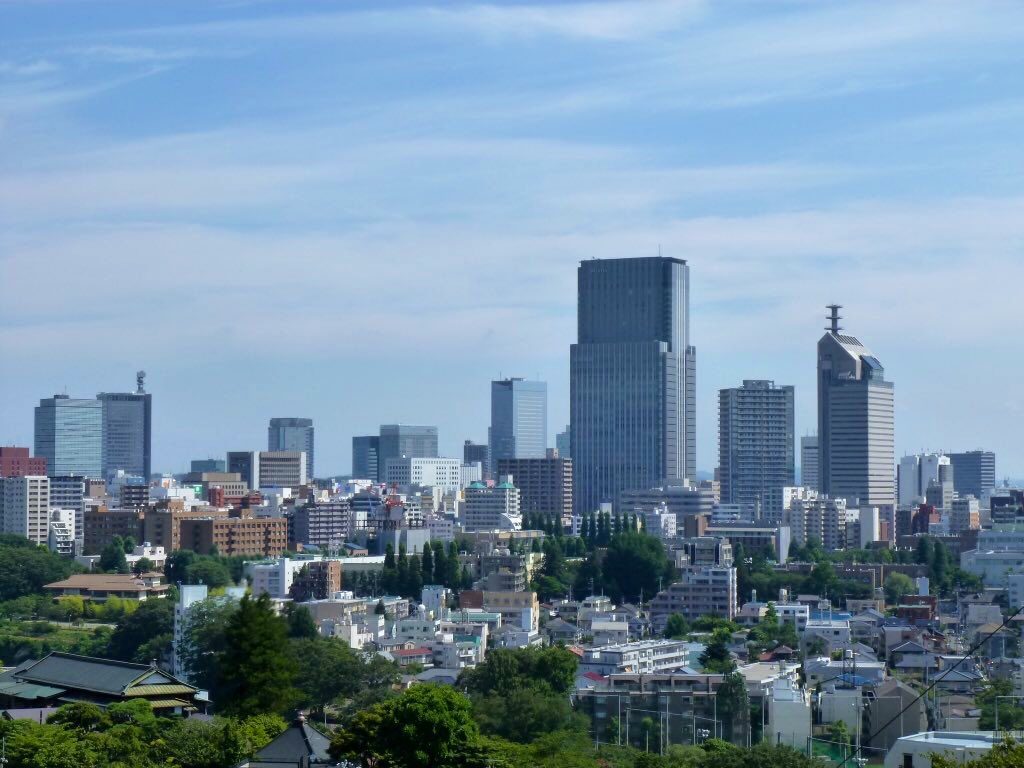
The visit is a city walk rather than a single spot: Sendai Station and its shopping arcades, the zelkova avenues of Jozenji-dori, and the view from the Aoba Castle site above the Hirose River. Read them as the 'before' world of the story — the normal Tohoku city whose ordinariness the curses keep invading.
Visiting notes: Sendai pairs naturally with this guide's Haikyu!! gymnasium page in the same city; the two venues sit on different subway lines, so give the pair half a day. Try the kikufuku — cream-filled mochi — at the station, in the flavour the manga made famous.
Facts
| Location | Sendai, Miyagi (Tohoku) |
|---|---|
| Series | Jujutsu Kaisen |
| Nearest station | Sendai Station |
| Getting there | Sendai Station (JR Tohoku Shinkansen / Senseki Line and subway); the city centre is at the station. |
| On foot / last leg | City centre at the station; Aoba Castle site by loop bus (about 20 minutes) |
| Opening hours | Open at all times — public streets |
| Admission | Free — public streets |
Practical details checked on 9 November 2026 against official or official-tourism sources where shown. Hours and fees can change — the official site, where linked, is the final word.
About this place
Sendai (仙台市, Sendai-shi; [sé̞ǹ.dä̀ì, sè̞ń.dä́ì.ɕì, sé̞ń.dä́ì-] ) is the capital city of Miyagi Prefecture and the largest city in the Tōhoku region. As of 1 August 2023, the city had a population of 1,098,335 in 539,698 households, making it the twelfth most populated city in Japan.
The modern city was founded in 1600 by the daimyō Date Masamune. It is nicknamed the City of Trees (杜の都, Mori no Miyako); there are Japanese zelkova trees lining many of the main thoroughfares such as Jōzenji Street (定禅寺通, Jōzenji dōri) and Aoba Street (青葉通, Aoba dōri).
Background text: Wikipedia contributors, Wikipedia, CC BY-SA 4.0.