What you will find
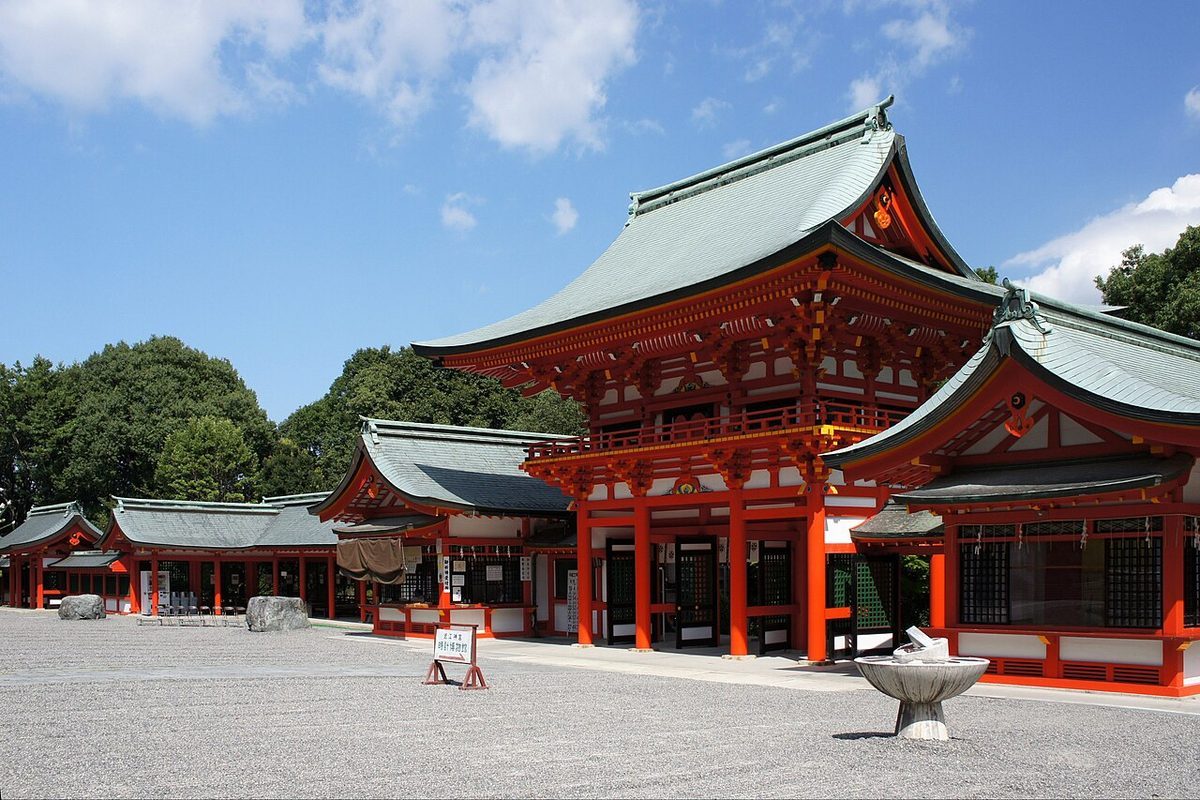
Omi Jingu, the great vermilion shrine in the forest of Otsu, is the spiritual home of Chihayafuru. Enshrining Emperor Tenji — poet number one of the Hyakunin Isshu — this shrine hosts the national championships of competitive karuta, and in the anime its halls and the neighbouring Omi Kangakkan are where Chihaya's ambitions are tested at the highest level: the Meijin and Queen finals are real, and they happen here.
The comparison is the shrine itself: the towering red romon gate in the trees, the long approach, and the quiet of the forest precinct, all drawn faithfully in the series' tournament arcs. Visit the Kangakkan hall's exterior and imagine the silence of a final — dozens of players, one reader, and the slap of cards.
Visiting notes: this is a major working shrine and an active competition venue. On tournament days, halls are closed to sightseeing and photography of players — especially school-age competitors — is prohibited; admire from the public areas only. Otherwise the grounds are free, the shrine office keeps daytime hours, and the small clock museum (Emperor Tenji introduced Japan's first water clock) is ticketed separately. Bow at the gate, keep voices low, and let worshippers and players come first.
Facts
| Location | Otsu, Shiga (Kansai) |
|---|---|
| Series | Chihayafuru |
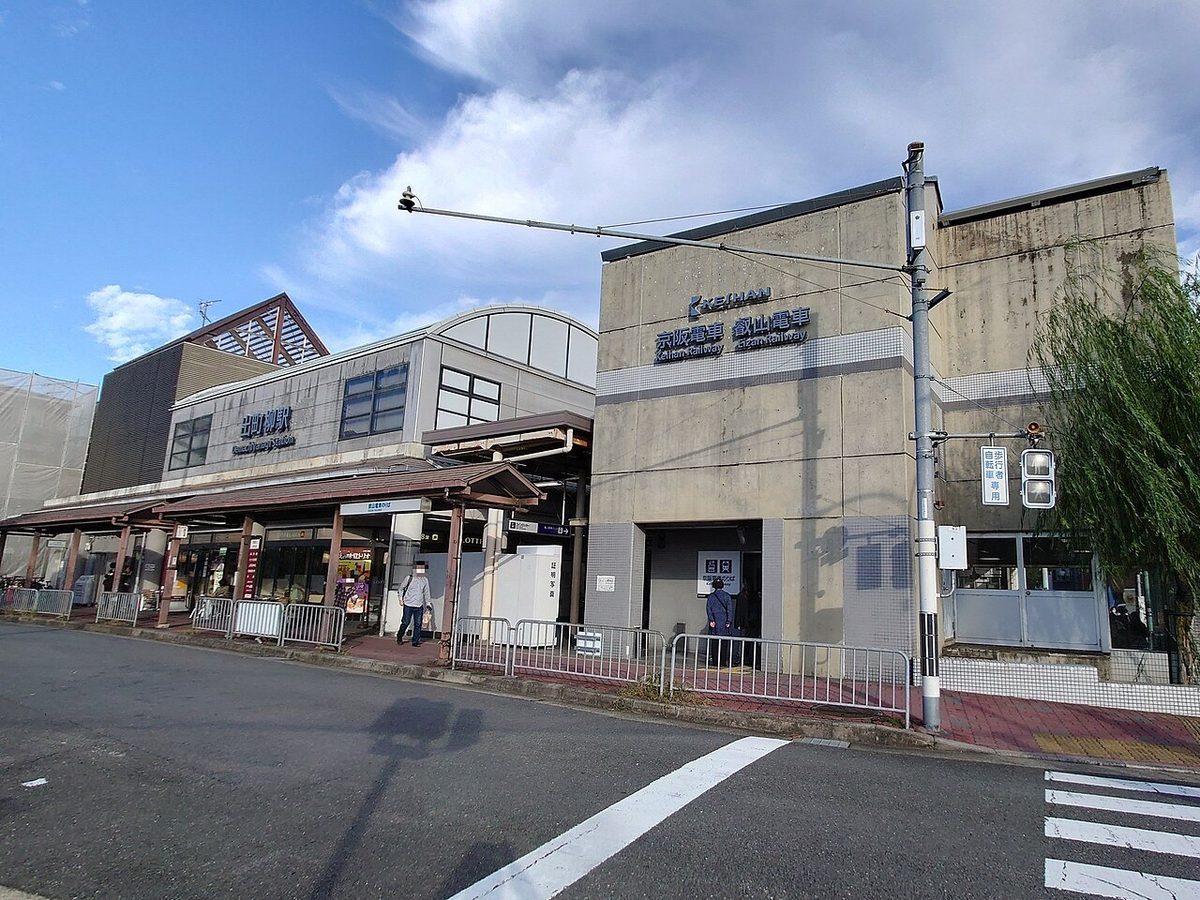
| Nearest station | Omi-Jingu-mae Station |
| Getting there | Omi-Jingu-mae Station (Keihan Ishiyama-Sakamoto Line). |
| On foot / last leg | About 9 minutes on foot from Omi-Jingu-mae Station |
| Opening hours | Grounds open daily; shrine office about 9:00–16:30 |
| Admission | Free (grounds); Clock Museum ¥300 (separate) |
| Official site | Omi Jingu (official) |
Practical details checked on 9 November 2026 against official or official-tourism sources where shown. Hours and fees can change — the official site, where linked, is the final word.
About this place
Omi Jingu (近江神宮, Ōmi Jingū) or Omi Shrine is a Jingū Shinto shrine in Ōtsu, a city in Shiga Prefecture, Japan. It was constructed in 1940 and is dedicated to Emperor Tenji. It was formerly an imperial shrine of the first rank (官幣大社, kanpei taisha) in the Modern system of ranked Shinto Shrines.
The shrine is located near Ōmijingūmae Station.
Background text: Wikipedia contributors, Wikipedia, CC BY-SA 4.0.