
What you will find
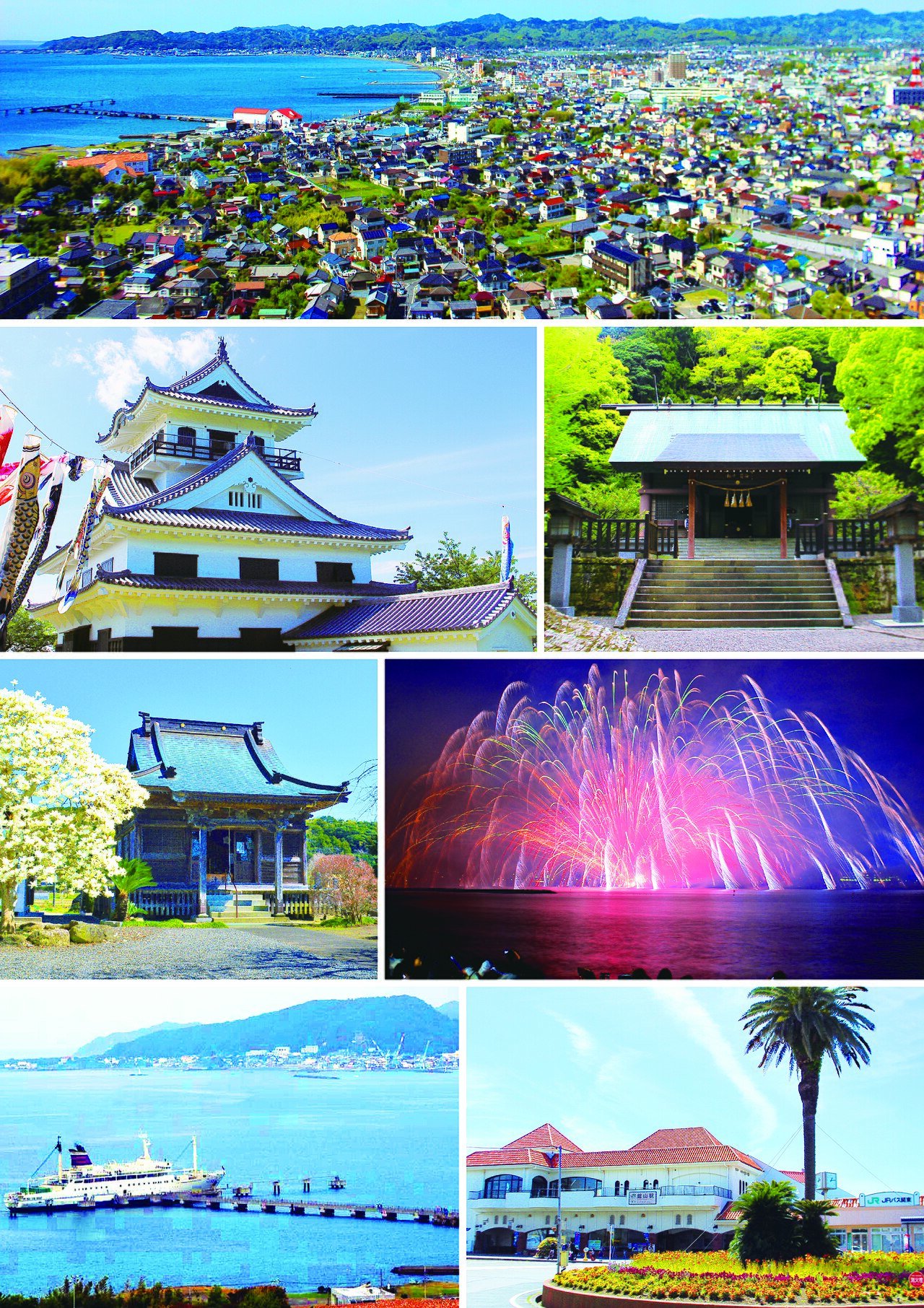
Amagami SS is set in Kibitou, a fictional port town, and Choshi — at the very tip of Chiba, where the Tone River meets the Pacific — is its recognised model: a fishing city of sardine fleets, soy-sauce breweries and a great white lighthouse on the cape. The anime's school town by the sea, its festival and its winter skies all draw on Choshi's working-port atmosphere, the easternmost edge of the Kanto plain, famous for seeing the mainland's first sunrise of the new year.
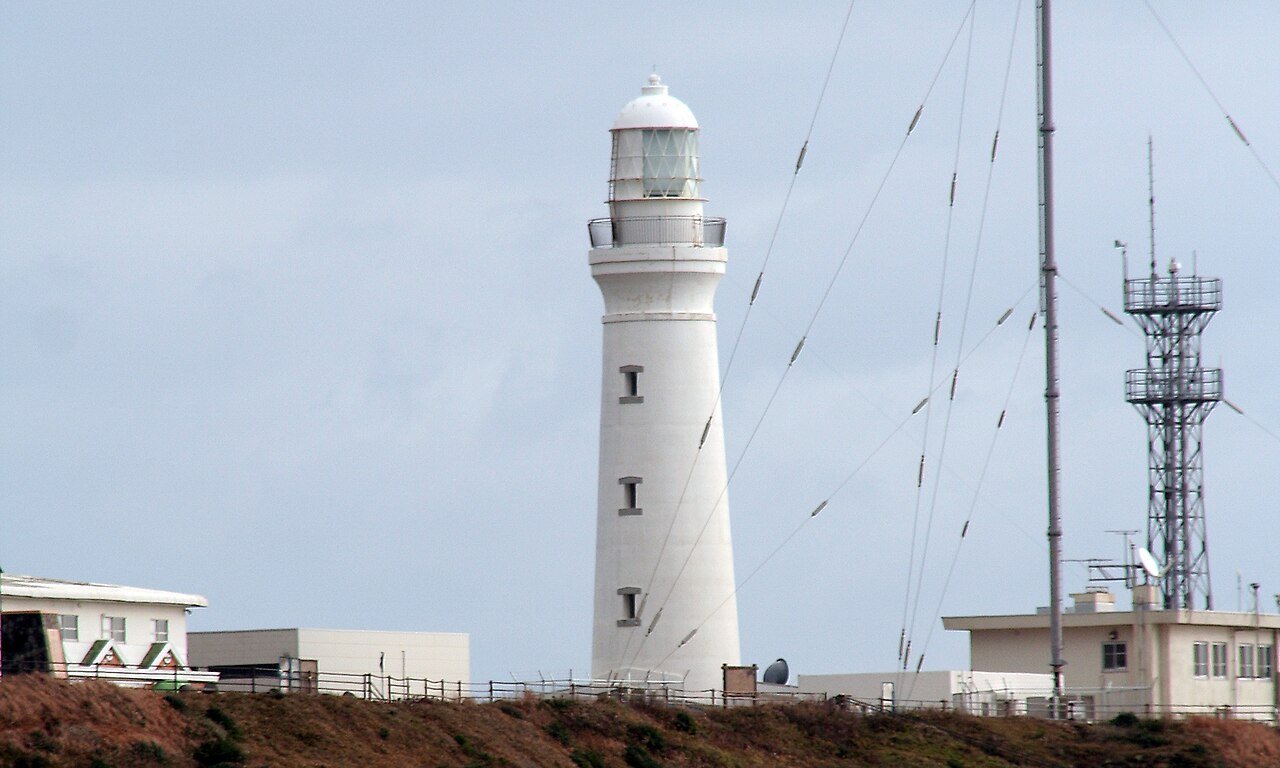
The white brick tower of Inubosaki Lighthouse, built in 1874 and still working, is the cape's emblem — climb it for the full Pacific horizon. Below, the rocks of Inubosaki and the marine park take the waves head-on. Ride there on the Choshi Electric Railway, a tiny, beloved local line whose retro cars and station snacks are a pilgrimage in their own right, then finish in the port streets for grilled sardines and the catch of the day.
Visiting notes: the lighthouse is ticketed and closes in high winds — the cape earns its weather. The electric railway runs a simple there-and-back service; buy the day pass at Choshi Station and give the little line your time rather than rushing it.
Facts
| Location | Choshi, Chiba (Kanto) |
|---|---|
| Series | Amagami SS |
| Nearest station | Inubo Station |
| Getting there | Inubo Station (Choshi Electric Railway), then a few minutes on foot to the lighthouse. Choshi Station, the line's other end, serves the port and city centre. |
| On foot / last leg | About 5 minutes on foot from Inubo Station to the lighthouse |
| Opening hours | Lighthouse 8:30–16:00 (may close in bad weather); cape and port streets open at all times |
| Admission | Lighthouse admission charged (a few hundred yen); streets free |
Practical details checked on 9 November 2026 against official or official-tourism sources where shown. Hours and fees can change — the official site, where linked, is the final word.
About this place
Inubōsaki Lighthouse (犬吠埼燈台, Inubōsaki tōdai) is a lighthouse on Cape Inubō, in the city of Chōshi, Chiba Prefecture Japan. It is notable as one of the few lighthouses whose original lens was a first order Fresnel lens, the strongest type of Fresnel lens. It is a Registered Tangible Cultural Property of Japan. The lighthouse is located within the borders of the Suigo-Tsukuba Quasi-National Park.
== History ==
Background text: Wikipedia contributors, Wikipedia, CC BY-SA 4.0.
Keep exploring
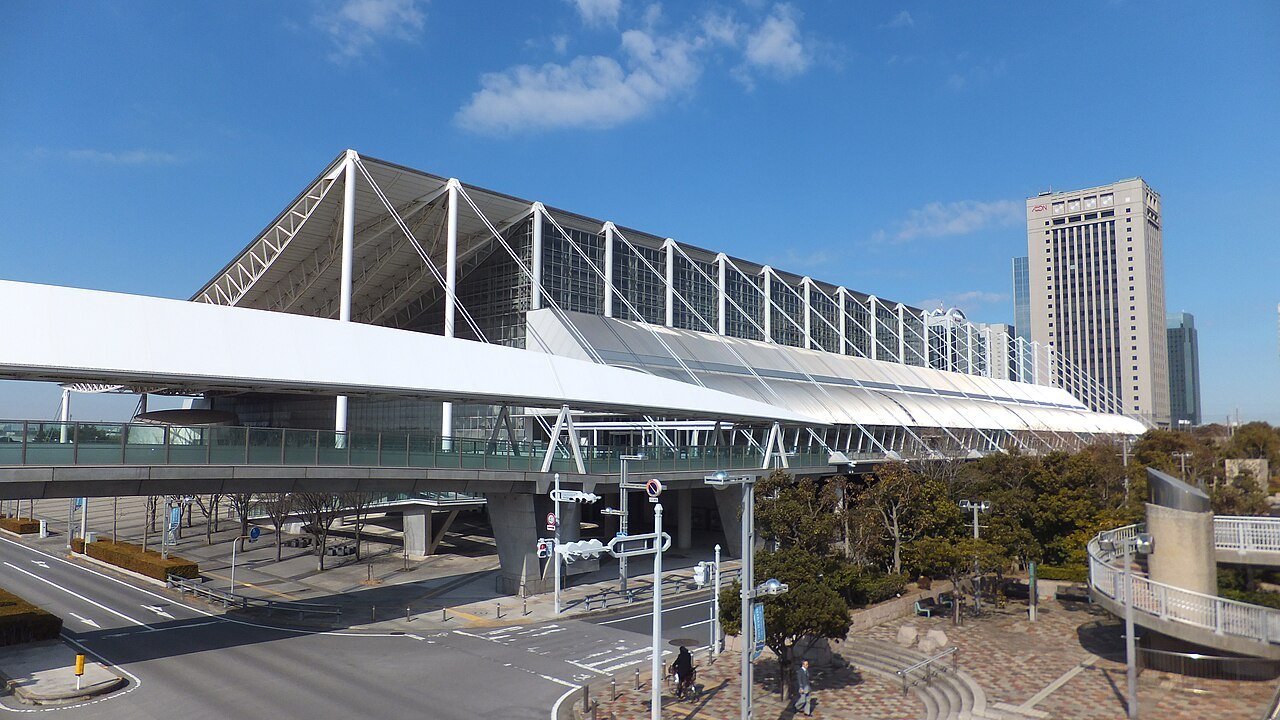
Chiba City centre — its concert halls and central park
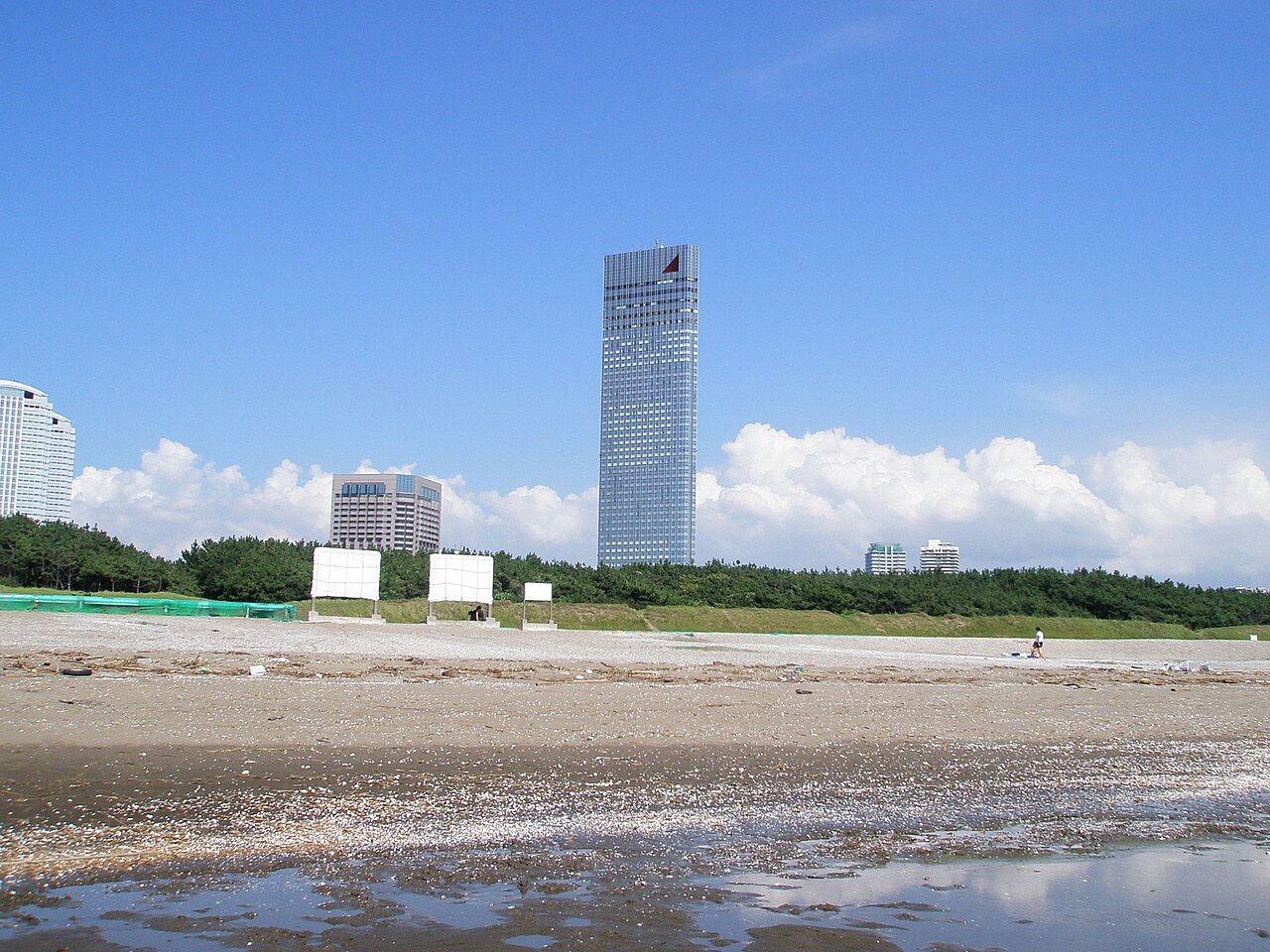
Kaihin-Makuhari and Chiba's bay-side school town